
How to Start Personal Training and Attract UK Clients Fast

Breaking into the fitness industry as a personal trainer can feel like trying to solve a puzzle without all the pieces. For anyone hoping to thrive in the UK market, getting the right qualifications, industry registration, and insurance is only the beginning. Learning how to build a standout online presence and attract clients is where your business takes off. This guide walks you through each essential step, showing you how to launch confidently and connect with clients ready to invest in their fitness journey.
Table of Contents
- Step 1: Gain Essential Qualifications and Insurance
- Step 2: Set Up Your Online Training Profile
- Step 3: Promote Your Services to Find Clients
- Step 4: Deliver Sessions and Track Progress
Quick Summary
1. Obtain Necessary Qualifications Complete the Level 2 Gym Instructor and Level 3 Personal Trainer Certificates to gain essential knowledge and skills for training clients. 2. Acquire Professional Insurance Secure professional indemnity and public liability insurance to protect yourself legally and ensure client safety during training sessions. 3. Create a Strong Online Profile Build a professional online profile that showcases your niche, qualifications, and client success stories to attract potential clients effectively. 4. Implement Effective Promotion Strategies Utilize social media, email marketing, and local networking to consistently promote your services and reach more potential clients. 5. Track Client Progress Diligently Regularly monitor and record client progress to demonstrate results, enhance motivation, and validate your training methods effectively.Step 1: Gain Essential Qualifications and Insurance
Before you can legally work as a personal trainer in the UK, you need the right qualifications and insurance in place. These aren’t just bureaucratic boxes to tick—they’re what separate genuine professionals from people pretending to know what they’re doing. Getting them sorted early saves you headaches and gives clients genuine confidence in your abilities.
Start with your qualifications. The foundation is the Level 2 Gym Instructor Certificate, which you must complete before moving to Level 3. This covers the basics: anatomy, physiology, safe exercise instruction, and how to work safely in a gym environment. Think of it as learning the language before you start having conversations.
Once you’ve got Level 2 under your belt, pursue your Level 3 Personal Trainer Certificate. This is where the real depth comes in. You’ll learn how to design bespoke programmes, assess client needs, and deliver personalised training sessions. Research the right Level 2 and Level 3 qualifications to understand what each covers in detail.
After gaining your qualifications, register with CIMSPA (Chartered Institute for the Management of Sport and Physical Activity). This registration validates your standards and is often required by gyms, online platforms, and insurers. It’s the credential that tells clients and employers you’re serious.
Now for the protection piece. You absolutely need professional indemnity insurance and public liability insurance. Here’s why: if a client gets injured during training or claims your advice caused them harm, you’re legally protected. Without it, you’re personally liable for damages. Most platforms and gyms won’t let you work with them without proof of insurance anyway.
Think of these components as your professional toolkit:
- Level 2 qualification: Foundation knowledge and gym safety
- Level 3 qualification: Personal training expertise and programme design
- CIMSPA registration: Industry recognition and credibility
- Professional indemnity insurance: Legal protection against claims
- Public liability insurance: Coverage if a client is injured
The whole process typically takes 3 to 6 months depending on study pace and course provider. Budget between £800 and £2,500 for qualifications and around £150 to £300 annually for insurance. Yes, it costs money upfront, but it’s the cost of operating legally and professionally.
Here’s a comparison of essential qualifications, registration, and insurance for UK personal trainers:
Level 2 Gym Instructor Anatomy, gym safety, basics Foundation for all trainers Level 3 Personal Trainer Programme design, assessments Enables one-to-one training CIMSPA Registration Industry standards, credibility Required by employers Professional Indemnity Insurance Legal cover for advice or mistakes Protects against client claims Public Liability Insurance Injuries to clients or others Essential for legal practiceGetting qualified and insured isn’t an optional extra—it’s your foundation. Without it, you can’t build a sustainable training business that clients trust.
Pro tip: Once you’ve completed your Level 3, apply for CIMSPA registration immediately whilst you’re getting insurance quotes. This way, all three elements come together within the same timeframe, and you’re ready to take on clients without delays.
Step 2: Set Up Your Online Training Profile
Your online profile is your storefront. It’s where potential clients first encounter you, assess your credibility, and decide whether to book a session. A weak profile loses clients before they even contact you. A strong one does the selling for you.

Start by defining your niche and target market. Are you training busy professionals, post-natal clients, athletes, or weight loss seekers? The more specific you are, the easier it becomes to attract the right people. Generic “I train anyone” messaging gets lost in the noise.
Next, choose your platform. You could use a dedicated fitness app, build a website, or use GetFitConnect.co.uk’s booking and client management tools. Your platform needs to handle scheduling, payment processing, workout delivery, and client communication seamlessly. Don’t spread yourself thin across five different tools when one integrated platform does everything.
Your website and social media presence must reflect consistent branding. Use the same colours, fonts, and tone across all channels. Upload a professional headshot, write a clear bio explaining your approach, and showcase your certifications prominently. Explore how successful trainers build their online presence to understand what works.
Content is your credibility builder. Post workout tips, form checks, success stories, and training insights regularly. Show, don’t tell. Let your expertise speak through helpful content that demonstrates you know what you’re doing.
Here’s what your profile must include:
- Professional photo: Clear, approachable, properly lit
- Detailed bio: Your approach, experience, and who you help
- Certifications and credentials: Level 3, CIMSPA registration, any specialisations
- Client success stories: Before/after photos with permission and testimonials
- Clear pricing and service options: One-to-one sessions, group training, meal planning
- Easy booking system: Clients should book with three clicks maximum
- Regular content: Weekly posts or videos demonstrating expertise
Optimise your profile for discoverability. Use relevant keywords in your bio and descriptions so clients searching for “personal trainer near me” or “online fitness coaching” actually find you.
A professional, complete profile converts browsers into paying clients. Incomplete profiles convert them into people who browse your competitor instead.
Pro tip: Build your profile on a platform with built-in client management and payment processing, then link to it from your social media. This keeps everything centralised and gives clients a single, seamless experience from discovery to booking to training.
Step 3: Promote Your Services to Find Clients
Having qualifications and a profile means nothing if nobody knows you exist. Promotion is how you turn invisibility into a thriving client base. The good news is that most effective strategies cost little to nothing—they just require consistency and strategy.
Start by building your unique selling proposition (USP). What makes you different from the hundred other trainers in your area? Maybe you specialise in post-natal fitness, work exclusively with busy executives, or use a specific methodology. Your USP is your competitive advantage. Communicate it clearly everywhere.
Social media is your primary promotional tool. Post valuable content consistently on Instagram, TikTok, or YouTube. Share workout clips, form corrections, transformation stories, and training tips. Strategic social media marketing with testimonials and targeted adverts reaches your ideal demographic far more effectively than generic posting.
Email marketing builds direct relationships with prospects. Offer a free consultation, downloadable workout plan, or nutrition guide in exchange for email addresses. Send weekly tips, success stories, or special offers to your list. This keeps you top-of-mind when people are ready to hire a trainer.
Networking generates referrals faster than any paid advert. Connect with gym managers, physiotherapists, nutritionists, and local business owners. Host free workshops at community centres or corporate offices. Offer referral incentives to clients who introduce friends. Word-of-mouth from trusted sources converts clients at higher rates than cold outreach.
Key promotional channels to prioritise:
- Social media content: Daily posts showcasing your expertise and personality
- Email marketing: Weekly newsletters with actionable tips and testimonials
- Local networking: Partner with complementary professionals and venues
- Free consultations: Offer discovery calls to convert interested prospects
- Client testimonials: Request and share before-and-after transformations with permission
- Referral programme: Incentivise existing clients to recommend you
- Strategic timing: Ramp up promotion during New Year, summer holiday season, or wedding season
Consistency matters more than intensity. One post per day, every day, builds momentum faster than five posts one week and none the next. Pick your channels, commit to a schedule, and stick with it.
Here is a summary of effective promotional methods for trainers and their main benefits:
Social Media Posting Increases visibility daily Prospects browsing online Email Newsletters Builds direct relationships Engaged past prospects Local Networking Generates high-value referrals Nearby professionals Strategic Timing Maximises seasonal demand New Year and event clientsPromotion without consistency is invisible. Consistency without strategy is noise. You need both working together.
Pro tip: Create a simple content calendar mapping out posts, emails, and networking events for the next month. Batch-create your social media content on Sundays so you can schedule it throughout the week. This removes the daily friction and keeps your promotion consistent even during busy training weeks.
Step 4: Deliver Sessions and Track Progress
Delivering quality sessions is only half the battle. The other half is showing clients measurable progress. Without tracking, clients lose motivation and you lose credibility. With it, you create unstoppable momentum.
When you start working with a client, take baseline measurements immediately. Record their current fitness level, body composition, strength benchmarks, and goals. This becomes your reference point for measuring improvement later.
During training, log every workout. Note exercises completed, weights lifted, reps achieved, and how the client felt. This data is gold. It shows clients exactly what they’ve accomplished and gives you the information needed to adjust programmes intelligently.
Tracking client progress through assessments and workload logging enhances motivation and provides evidence of results. Regular progress photos every four weeks are particularly powerful. Visual proof of change keeps clients committed far longer than numbers alone.
Don’t track progress manually with spreadsheets. Use specialised fitness apps that automate data logging, send reminders, and track trends. Modern apps centralise communication, store workout history, and provide data-driven insights allowing you to tailor programmes with precision.
Here’s what to track systematically:
- Strength metrics: Weights lifted, reps completed, personal records achieved
- Body composition: Progress photos, measurements, weight trends (if relevant)
- Cardiovascular fitness: Running times, distance covered, heart rate recovery
- Client feedback: How they felt, energy levels, any pain or concerns
- Adherence: Sessions attended, exercises completed, programme compliance
- Goal progress: Movement towards their specific targets and milestones
Schedule formal progress reviews every four to eight weeks. Show clients their data, celebrate improvements, and adjust their programme based on results. This conversation is where you demonstrate your value and justify your fees.
Become obsessive about progress tracking. It transforms from being a nice-to-have into your competitive advantage. Clients who see measurable progress stay longer and refer friends more readily.
Clients don’t buy training sessions. They buy results. Track results obsessively, and you’ll never lack for clients.
Pro tip: Choose a fitness app that integrates with GetFitConnect.co.uk or syncs smoothly with your booking system. This eliminates manual data entry and creates a seamless experience from booking to workout to progress reporting.
Accelerate Your Personal Training Career with GetFitConnect.co.uk
Starting your personal training journey in the UK can feel overwhelming with so many qualifications, insurance needs, and client-finding strategies to manage all at once. This article highlights the critical steps such as gaining Level 2 and Level 3 qualifications, securing professional indemnity and public liability insurance, creating a standout online profile, and consistently promoting your services while tracking client progress. Yet, the biggest challenge remains bringing all these pieces together seamlessly so you can focus on what you love most: training clients and delivering real results.
GetFitConnect.co.uk is designed precisely for trainers like you, offering an all-in-one platform where you can showcase your CIMSPA registration and certifications, manage bookings effortlessly, and deliver personalised training programmes complete with progress tracking tools. Our digital ecosystem supports your professional growth by connecting you directly with clients eager for tailored personal training and nutrition coaching. With community engagement, motivational features, and simple payment processing integrated, you avoid burnout and start building a sustainable client base faster.
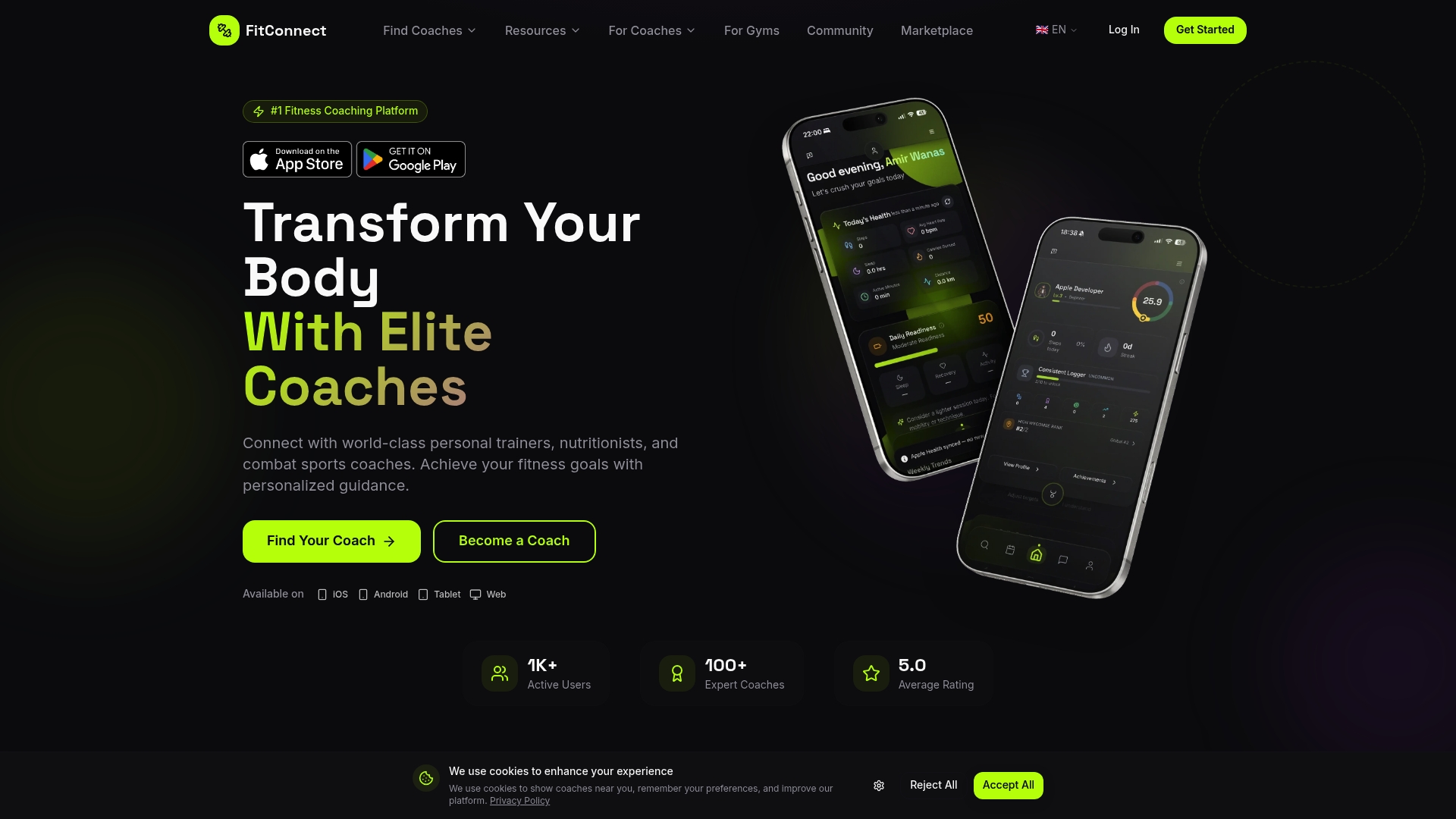
Ready to transform your professional journey and attract UK clients quickly? Visit GetFitConnect.co.uk today to create your online profile, leverage our coaching marketplace, and start booking sessions without delay. Don’t let administrative hurdles hold back your success. Join now and take the first step towards a thriving personal training career with tools that put you in control.
Frequently Asked Questions
What qualifications do I need to start personal training in the UK?
To start personal training in the UK, you need at least a Level 2 Gym Instructor Certificate and a Level 3 Personal Trainer Certificate. Begin by researching accredited courses to find options that fit your learning style and timeframe.
How can I create an appealing online profile to attract clients?
To attract clients, ensure your online profile includes a professional photo, a detailed bio, and showcases your certifications and specialisations. Use consistent branding across all platforms and post regular content that demonstrates your expertise to engage potential clients.
What are effective ways to promote my personal training services?
Promote your services by establishing a unique selling proposition and leveraging social media to post valuable content. Consistently network with local professionals and gather client testimonials to enhance your visibility and credibility.
How can I track my clients’ progress effectively?
Track your clients’ progress by taking baseline measurements and logging every workout detail. Use specialised fitness apps to automate this process and schedule regular progress reviews to celebrate improvements and adjust programmes, keeping clients motivated.
How long does it take to become a qualified personal trainer in the UK?
Becoming a qualified personal trainer in the UK typically takes between 3 to 6 months, depending on your study pace and course provider. Plan your time effectively and budget for qualifications and insurance to ensure you’re ready to start attracting clients promptly.
Recommended
Ready to Start Your Fitness Journey?
Connect with expert coaches who can help you achieve your goals.