
Personalised Fitness: Transforming Your Health Journey

Struggling to find a fitness plan that genuinely fits your lifestyle and keeps you motivated? Personalised fitness is more than marketing hype—it is a proven approach where your training and nutrition are shaped around your unique body and daily routine. UK fitness enthusiasts juggling demanding schedules benefit when programmes use progress tracking and gamification to turn effort into clear results. Discover how customised exercise programmes consistently deliver superior improvements in body-fat percentage, muscle fitness, and blood glucose control, clearing up common misunderstandings along the way.
Table of Contents
- Defining Personalised Fitness And Common Myths
- Types Of Personalised Fitness Approaches
- How Personalised Fitness Plans Work
- Digital Tools And Community In Personalised Fitness
- Pitfalls, Costs And Common Mistakes
Key Takeaways
Personalised fitness enhances outcomes Tailored exercise and nutrition plans lead to better health results compared to generic approaches. Avoid common myths Personalised fitness does not require expensive genetic testing; assessments and data tracking are sufficient. Flexibility is essential A good personalised approach accommodates life’s unpredictability with adaptable strategies, rather than rigid adherence. Technology and community are vital Effective personalised fitness integrates digital tools for data tracking and fosters community support for sustained motivation.Defining Personalised Fitness And Common Myths
Personalised fitness isn’t a vague buzzword—it’s a scientifically backed approach where your exercise and nutrition programmes are tailored to your individual physiology, behaviour, and lifestyle. Think of it as the difference between following a mass-produced suit and having one tailored to your exact measurements.
Customised exercise programs consistently deliver better health outcomes including improvements in body-fat percentage, muscle fitness, and blood glucose control. Rather than applying a generic template to everyone, personalisation uses your specific data to guide interventions that actually work for your body.
This is particularly relevant for UK-based fitness enthusiasts aged 25–40 juggling careers, family commitments, and varied fitness levels. Your needs differ from someone else’s, so why should your programme be identical?
What Personalised Fitness Actually Involves
Personalised fitness combines three core elements:
- Individual biological factors: Your genetics, current fitness level, injury history, and metabolic rate
- Behavioural characteristics: Your motivation style, consistency patterns, and training preferences
- Lifestyle data: Work schedule, stress levels, sleep quality, and dietary habits
Your trainer or coach uses these details to design programmes that align with how your body actually responds to training, not how someone else’s does.
Myth 1: “Personalised fitness requires expensive genetic testing”
This couldn’t be further from the truth. While DNA testing exists, effective personalisation doesn’t require it. Your coach gathers information through assessments, questionnaires, and tracking data over time. Platforms like GetFitConnect.co.uk use progress tracking, avatar systems, and gamification to monitor your responses—no genetic labs needed.
Many myths stem from confusion between marketing hype and actual practice.
Myth 2: “One-size-fits-all programmes are just as effective”
They aren’t. Generic programmes ignore your unique physiology and lifestyle. Someone working shift patterns needs different recovery strategies than someone with a 9–5 schedule. A person with a shoulder injury requires modified exercises compared to someone with full mobility.
Research consistently shows individualised interventions produce superior outcomes compared to standardised approaches across diverse health metrics.
Myth 3: “Personalised fitness is overly complicated”
Complexity exists, but it’s managed for you. Your role is straightforward: follow your tailored plan, log your workouts, track your nutrition, and provide feedback on how you feel. The personalisation happens behind the scenes through your coach’s analysis and platform tools.
Myth 4: “You need perfect consistency for personalisation to work”
Personalisation actually accounts for inconsistency. Life happens—missed sessions, stressful weeks, travel disrupting routines. A proper personalised approach includes flexibility and adaptation strategies rather than rigid prescriptions that fail the moment life intervenes.
Personalised fitness succeeds because it works with your reality, not against it.
Pro tip: Start by tracking one week of your current routine—sleep, meals, workouts, stress levels—before meeting your coach. This baseline data allows for genuine personalisation rather than assumptions.
Types Of Personalised Fitness Approaches
Personalised fitness isn’t one-size-fits-all because people aren’t one-size-fits-all. There are several distinct approaches, each designed to meet different needs, goals, and life circumstances. Understanding which approach suits you helps you choose the right strategy for your journey.
Goal-Specific Training Programmes
The most straightforward personalised approach focuses on your specific objective. Whether you’re aiming for weight loss, muscle gain, improved endurance, or general fitness, your programme shifts accordingly.
These programmes adjust:
- Exercise selection and volume based on your goal
- Intensity levels to match your current fitness capacity
- Progression timelines that suit your recovery ability
- Nutrition focus aligned with your objective
Someone training for muscle gain follows a vastly different protocol than someone preparing for a 10K run. Customised training regimens account for these distinctions rather than applying generic templates.
Performance-Based Adaptive Training
This approach uses your real-time performance data to adjust your programme continuously. Your coach monitors metrics like strength gains, endurance improvements, workout consistency, and recovery patterns, then modifies your plan accordingly.
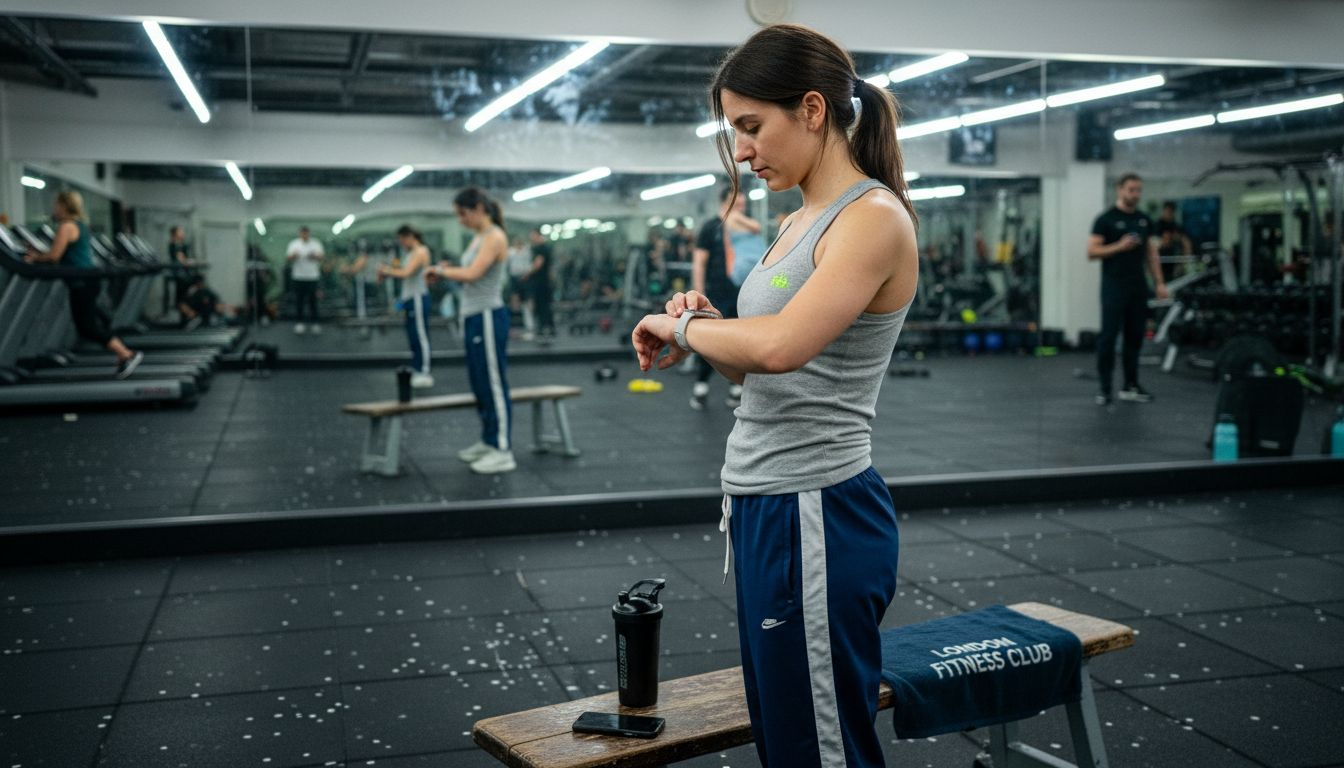
If you’re recovering slowly, volume decreases. If you’re progressing faster than expected, intensity increases. This method requires regular tracking and feedback but delivers precise calibration to your body’s actual response.
Technology-Driven Personalisation
Advanced technologies now enable dynamic adjustment to training programmes through continuous monitoring of biomarkers and machine learning algorithms. Wearable devices track sleep, heart rate variability, and workout data, feeding information into systems that recommend optimal training intensity and recovery timing.
This approach suits people who enjoy data-driven insights and want precise optimisation.
Lifestyle-Integrated Programmes
Some personalisation prioritises fitting fitness around your actual life. Your coach considers your work schedule, family commitments, stress levels, and sleep patterns when designing your programme.
You might need:
- Shorter workout sessions on demanding work weeks
- Modified recovery protocols during high-stress periods
- Flexible scheduling around shift work or travel
- Nutrition adjustments matching your realistic lifestyle capacity
This approach acknowledges that perfect adherence is impossible—so programmes adapt instead.
Here’s a summary comparing the main types of personalised fitness approaches discussed:
Goal-Specific Clear fitness aims Adjusts exercise & nutrition Training plans, food logs Performance-Based Adaptive Progress-driven individuals Modifies based on feedback/data Progress tracking apps, feedback Technology-Driven Data enthusiasts Uses real-time biometrics Wearables, AI-driven platforms Lifestyle-Integrated Busy/life-prioritising people Fits around daily commitments Flexible scheduling tools, diariesThe best personalised approach matches your goals, preferences, and reality simultaneously.
Pro tip: Identify which approach resonates with you before working with a coach—whether you prioritise specific goals, data tracking, or lifestyle flexibility. This clarity speeds up finding the right programme design for your needs.
How Personalised Fitness Plans Work
Personalised fitness plans follow a structured process that transforms raw data about you into a specific, actionable blueprint. Rather than guessing what might work, your coach uses assessment and science to build something designed precisely for your body and circumstances.
Step 1: Comprehensive Assessment
Every personalised plan begins with detailed evaluation. Your coach assesses multiple dimensions of your fitness and lifestyle to establish a baseline.
Key assessments include:
- Cardiorespiratory fitness: How efficiently your heart and lungs deliver oxygen during exercise
- Muscular strength and endurance: Your current capacity across different movement patterns
- Metabolic factors: Your resting metabolic rate and how your body responds to different training stimuli
- Health status and injury history: Previous injuries, limitations, or medical considerations
- Lifestyle factors: Work schedule, sleep patterns, stress levels, and dietary habits
This isn’t a casual chat—it’s systematic data gathering. Tailored exercise programs rely on these assessments to customise programme components like exercise type, intensity, volume, and progression timelines.
Step 2: Plan Design
Your coach translates assessment findings into specific training recommendations. They select exercises matching your current capacity, set appropriate intensity levels, and structure progression in ways your body can genuinely handle.
This differs fundamentally from generic programmes because every variable—sets, reps, rest periods, exercise selection—aligns with your individual profile rather than population averages.
Step 3: Technology-Assisted Implementation
Modern personalised plans leverage technology-assisted prescription tools that enhance accuracy and consistency. Platforms like GetFitConnect.co.uk streamline workout logging, nutrition tracking, and progress monitoring through integrated dashboards and gamification features.
This removes guesswork from execution.
Step 4: Regular Monitoring and Adjustment
The plan isn’t static. Your coach regularly reviews your progress through tracked data—workout performance, strength improvements, body composition changes, recovery patterns. Based on these metrics, they adjust intensity, volume, or exercise selection to keep you progressing optimally.
This continuous feedback loop ensures the plan evolves with you rather than becoming outdated.
Personalised plans succeed because they adapt as you improve, preventing plateaus and maintaining progression.
Pro tip: Commit to consistent data logging from day one—whether tracking workouts, nutrition, or how you feel. More accurate data enables more precise adjustments and faster progress toward your goals.
Digital Tools And Community In Personalised Fitness
Personalised fitness thrives when technology meets human connection. Digital tools eliminate friction from tracking and adjustment, whilst community features provide motivation that pure data cannot. Together, they transform isolated effort into sustained engagement.
The Role Of Digital Tracking And Feedback
Modern personalised fitness depends on continuous data collection. Workout logs, nutrition trackers, sleep monitors, and wearable devices feed real-time information into your programme, enabling your coach to make informed adjustments rather than guessing.
Digital monitoring and immediate feedback technologies increase physical activity levels by promoting engagement and accountability. This isn’t busywork—accurate data directly translates to better programming decisions and faster progress.
Tracking benefits include:
- Real-time workout adjustments: Your coach sees performance data and modifies volume or intensity mid-programme
- Personalised insights: Apps analyse your patterns, revealing what works specifically for you
- Accountability mechanisms: Logging creates structure and prevents forgotten sessions
- Progress visualisation: Seeing tangible improvements sustains motivation over months
Community Engagement And Motivation
Solitary training works for some, but most people sustain effort longer with social accountability. Digital fitness apps incorporate social support mechanics that foster community through shared challenges, progress comparisons, and group features.
Community elements enhance your journey:
- Shared challenges and competitions: Gamification features make progress fun and competitive
- Avatar systems: Visual representations of your progress create investment in your fitness identity
- Progress sharing: Celebrating wins with others reinforces commitment
- Peer accountability: Knowing others see your efforts increases consistency
GetFitConnect.co.uk combines these elements—progress tracking, avatars, challenges, and community features—creating an ecosystem where technology and human connection reinforce each other.
How Integration Drives Results
Digital tools alone don’t guarantee results. Community without data lacks direction. But combined, they create powerful synergy: data informs personalisation, whilst community sustains adherence. Your coach uses tracked metrics to optimise your programme, whilst community features keep you engaged through the harder weeks.
This combination addresses the primary reason fitness programmes fail—inconsistency. Technology removes friction from execution, whilst community provides emotional fuel when motivation dips.
Digital tools and community are not luxuries in personalised fitness—they are core mechanisms enabling sustained behaviour change.
Pro tip: Choose a platform offering both robust tracking capabilities and active community features, then actively engage with both. Logging workouts passively won’t optimise your programme; sharing progress with your community sustains motivation when discipline alone falters.
Pitfalls, Costs And Common Mistakes
Personalised fitness delivers results, but the journey isn’t without challenges. Understanding common pitfalls helps you avoid wasted time, money, and frustration. Many people stumble not because personalisation doesn’t work, but because they approach it incorrectly.
Inadequate Individualisation And Generic Plans
The biggest mistake is paying for personalised coaching that isn’t actually personalised. Some coaches create templates with minor tweaks rather than genuinely customised programmes. Your assessment answers get glanced over, your lifestyle constraints ignored, your specific goals treated generically.
Common pitfalls in personalised fitness include lack of adequate individualisation leading to plans that feel generic despite premium pricing. A proper assessment should take 30-60 minutes, not 10 minutes via email.
Signs of inadequate personalisation:
- Your programme looks identical to someone else’s with different goals
- Your coach ignores your injury history or lifestyle constraints
- Adjustments happen rarely, only when explicitly requested
- Your assessment data never gets referenced again
Communication Breakdowns In Virtual Coaching
Online coaching eliminates geographical barriers but introduces communication friction. Without face-to-face interaction, misunderstandings multiply. You perform exercises incorrectly thinking you’re doing them right. Your coach misinterprets your feedback about fatigue.
Address this by establishing clear communication protocols upfront—preferred contact methods, response timeframes, and regular check-in schedules. Video form checks matter more in virtual coaching than in-person settings.
The Cost Reality And Hidden Expenses
Quality personalised fitness costs money. A dedicated coach, tailored programming, and continuous adjustments aren’t cheap. UK-based personal trainers typically charge £40–£100+ per hour for one-on-one sessions. Monthly coaching packages range from £100–£500 depending on intensity and support level.
Beyond coaching fees, budget for:
- Equipment: Basic home setup (dumbbells, resistance bands) costs £100–£300
- Nutrition tracking apps: Often £5–£15 monthly for premium features
- Wearables and trackers: Quality smartwatches range £150–£400
- Facility access: Gym memberships typically £30–£70 monthly
These add up. Some people spend £300+ monthly on fitness without seeing results because they chose poorly across these categories.
To help you anticipate costs, here’s a breakdown of typical personalised fitness expenses in the UK:
Coaching/Programme £100–£500 Personalised coaching and regular adjustments Equipment £100–£300 (one-off) Home basics: dumbbells, resistance bands, mat Nutrition Apps £5–£15 Premium food tracking and planning tools Wearable Devices £150–£400 (one-off) Smartwatches, fitness trackers for data collection Gym Membership £30–£70 Access to facilities for varied training optionsPoor Programme Adaptation And Plateau Mistakes
Your programme must evolve as you progress. Static plans cause plateaus—your body adapts, progress stalls, motivation drops. A good coach adjusts variables monthly: exercise selection, volume, intensity, rest periods.
Common adaptation mistakes include never changing exercises (getting bored), not increasing intensity (stopping progress), and ignoring recovery data (overtraining). Your coach should explain the reasoning behind each adjustment, not make random changes.
Personalised fitness fails when it becomes depersonalised through complacency or when costs exceed perceived value.
Pro tip: Vet your coach thoroughly before committing—request references, review their qualifications, and ask specifically how they personalise programmes. A proper consultation should clarify their approach before you pay anything.
Experience True Personalised Fitness Tailored To You
Struggling with generic programmes that ignore your unique goals and lifestyle? The article highlights the challenge of finding fitness plans that truly adapt to your biology, motivation, and daily schedule. Personalised fitness is about more than just exercise — it is a complete, evolving plan designed around your reality. Whether you want to build muscle, lose weight, or improve endurance you deserve a fitness journey that fits your life stress levels and recovery pace.
GetFitConnect.co.uk offers a comprehensive digital platform where your personalised health journey comes alive. Our UK-based experts provide one-on-one coaching with customised workout and meal plans along with continuous progress tracking and gamified motivation tools like avatars and challenges. This means your programme adapts based on your real-time data and life demands so you never feel stuck or overwhelmed.
Ready to transform your fitness approach with tailored programmes, expert support, and a supportive community? Visit GetFitConnect.co.uk today to start your truly personalised fitness journey and see measurable results that fit your life. Take control now and achieve sustainable progress with a plan built around you.
Frequently Asked Questions
What is personalised fitness?
Personalised fitness is a tailored approach to exercise and nutrition programmes that considers your individual physiology, behaviour, and lifestyle to maximise health outcomes.
How does personalised fitness differ from standard fitness programmes?
Unlike standard programmes that use a one-size-fits-all template, personalised fitness programmes are customised to your specific biological factors, behaviours, and lifestyle, ensuring they meet your unique needs.
Do I need genetic testing for personalised fitness?
No, genetic testing is not required. Personalised fitness can effectively utilise assessments, questionnaires, and ongoing data tracking to customise your programme without needing DNA analysis.
How often should my personalised fitness plan be adjusted?
Your personalised fitness plan should be regularly reviewed and adjusted based on your progress and feedback, typically every few weeks, to ensure it remains effective and aligned with your evolving fitness levels.
Recommended
- Find Personal Trainers Near You | FitConnect UK
- How FitConnect Works | Find Your Coach in Minutes
- Hire a Personal Trainer UK | Certified PTs Near You | FitConnect
- Fitness Blog UK | Expert Training Tips & Nutrition Advice | FitConnect
- Why Run a Half Marathon – Transforming Fitness and Community - MK Marathon Weekend, Milton Keynes 3-4 May 2026
- Complete Guide to Hangboards in Home Fitness - Gripnatic
- Player Development: Transforming High School Teams – Hoop Mentality
Ready to Start Your Fitness Journey?
Connect with expert coaches who can help you achieve your goals.